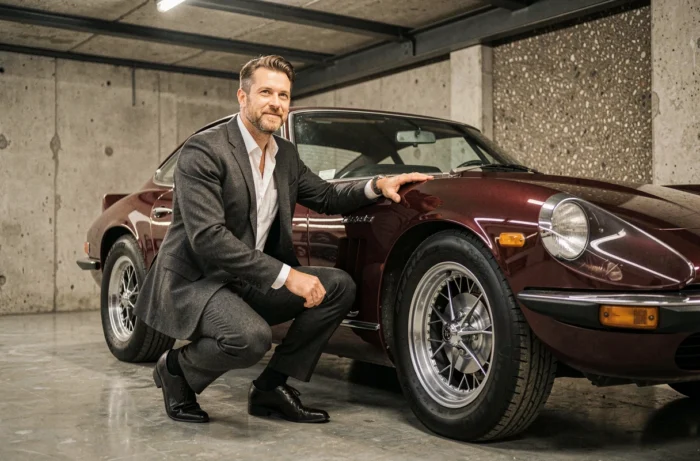
The classic car market is no longer limited to pre-war sedans displayed behind glass. Demand is shifting towards youngtimers, those models from the 80s and 90s that an entire generation saw on the roads of their childhood. This generational shift is redistributing the codes of automotive elegance and raises technical questions that lifestyle media often sidestep.
Classic car registration and ZFE: the regulatory framework that conditions everything else
An old vehicle produced before Euro standards is classified as Crit’Air 4, Crit’Air 5, or even unclassified. In low emission zones, this means a driving ban that can make daily use impossible.
The classic car registration offers an exemption, but its scope remains variable depending on local authorities and is subject to change. We observe that owners who rely on this exemption without checking local municipal orders are taking a real risk.
A study by Insee published on August 27, 2026, concludes that the share of the least polluting vehicles has increased more in ZFE. However, most of the renewal would be attributable to the natural aging of the fleet and the tightening of anti-pollution standards, rather than solely to local restrictions. For collectors, the message is clear: constraints will tighten, not loosen.
Those passionate about classic cars regularly confirm on gentlemen-drivers.fr: anticipating administrative procedures is an integral part of the art of owning a prestige car.
Youngtimers and collectors: why the market is changing generations
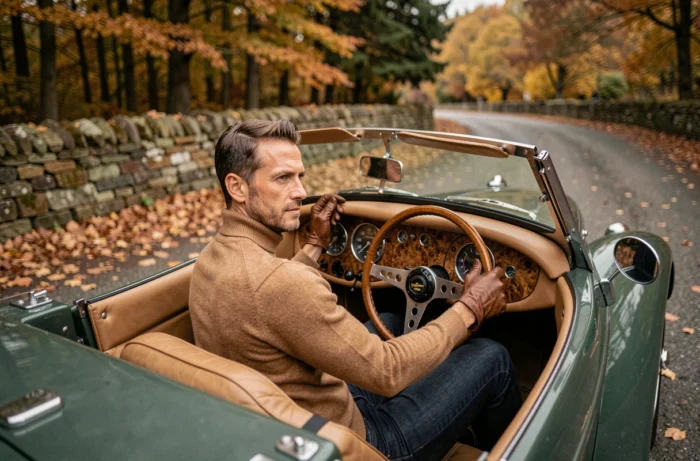
Pre-war models and classics from the 50s-60s remain prized at elegance contests. However, the buying dynamic is clearly shifting towards vehicles from the 80s and 90s.
This trend is based on a simple logic: buyers are looking for the car of their childhood. A forty-something who grew up with a Peugeot 205 GTI or a BMW E30 on the poster in their room now wants to own it, restore it, drive it.
- Entry prices for youngtimers remain more accessible than for pre-war automobiles, which broadens the base of potential collectors
- Spare parts are still available from some suppliers, unlike older models where each component becomes a treasure hunt
- The mechanics of these vehicles (first-generation electronic fuel injection, fixed geometry turbo) remain repairable without museum-grade tools, but require specific expertise that few general garages possess
The result: a market that is getting younger and attracting a different audience to automotive events, from regional gatherings to shows like Auto Moto Classic in Toulouse.
Maintenance of classic cars: the pressure on skills
Owning an old car without access to a qualified mechanic is like collecting watches without a watchmaker. The FFVE has opened a platform to help owners find a specialist, a sign that the problem is now recognized by the federation itself.
The skills deficit particularly affects vehicles from the transitional period (late 70s, early 80s). These models combine classic mechanical elements with early onboard electronics, a combination that neither old bodyworkers nor technicians trained on recent vehicles naturally cover.
We recommend that collectors build a network of service providers even before purchasing. A vehicle acquired at a good price but impossible to maintain locally quickly loses its practical value, and ultimately its value altogether.
Elegance contests and gatherings: what the 2026 calendar reveals
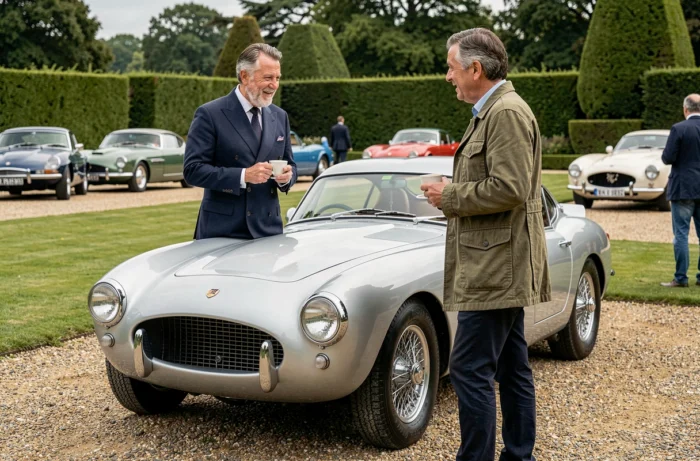
Automotive events are multiplying in France, from major cities to medium-sized towns. The 5th edition of the Classic Cars, the back-to-school gatherings organized by the FFVE, the Paris Motor Show: the 2026 calendar shows that automotive passion remains a vector of social connection and transmission.
What is changing is the profile of the audience. Elegance contests now attract as many thirty-somethings in sneakers as seniors in blazers. The art of automotive living is democratizing without losing its quality requirements. A vehicle presented in competition is judged on the rigor of its restoration, the coherence of its period options, the patina of its leather.
Regional gatherings play a different role: they allow owners to drive their cars, share maintenance experiences, and identify artisans. It is at these events, more than at Parisian shows, that practical know-how is transmitted.
Preserving automotive elegance in the face of modern constraints
The tension between automotive prestige and environmental regulation is not going to disappear. ZFE are expanding, standards are tightening, and exemptions for classic vehicles remain legally fragile.
Savvy collectors are already integrating these constraints into their acquisition strategy. Choosing a model with a stable value, checking access to relevant traffic zones, securing a reliable maintenance channel: these reflexes distinguish the sustainable enthusiast from the disappointed speculator.
Masculine automotive elegance has never been just about bodywork. It relies on technical mastery, knowledge of models, and the ability to keep a vehicle running in an increasingly restrictive regulatory environment. It is this skill, as much as chrome and leather, that today defines a true collector.