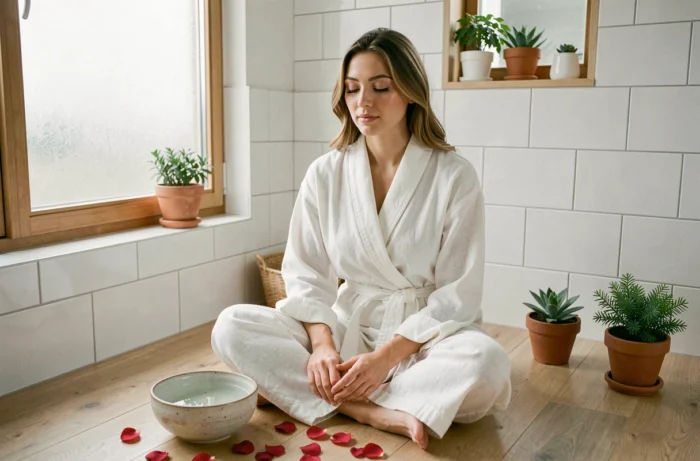
Taking care of yourself every day means combining simple habits that benefit both body and mind. Beauty, well-being, personal growth: these three words are everywhere—in magazines, on social media, and on pharmacy shelves.
The risk is turning what should be enjoyable into another list of obligations. A beauty or relaxation routine can help you feel better, but it cannot replace professional support when fatigue or emotional distress persists over time.
When your wellness routine is no longer enough: recognizing its limits
Have you ever noticed how a hydrating face mask or a yoga session can brighten a difficult day? These habits serve a real purpose. They offer a pause—a moment to turn your attention back to yourself.
The problem arises when these rituals become a bandage for deeper distress. A skincare routine cannot replace a consultation when stress, anxiety, or sadness persists for several weeks. Piling on facials or meditation sessions without seeing lasting improvement is a sign to take seriously.
Seeing a mental health professional is not an admission of failure. It is a complementary step. Everyday well-being rests on a foundation: when that foundation is weakened, cosmetic or relaxation routines cannot rebuild it on their own. Knowing how to distinguish a temporary slump from ongoing exhaustion is the first step toward genuine personal growth.
On the Belle et Épanouie website, you’ll find several resources exploring the connection between self-care and more structured support.
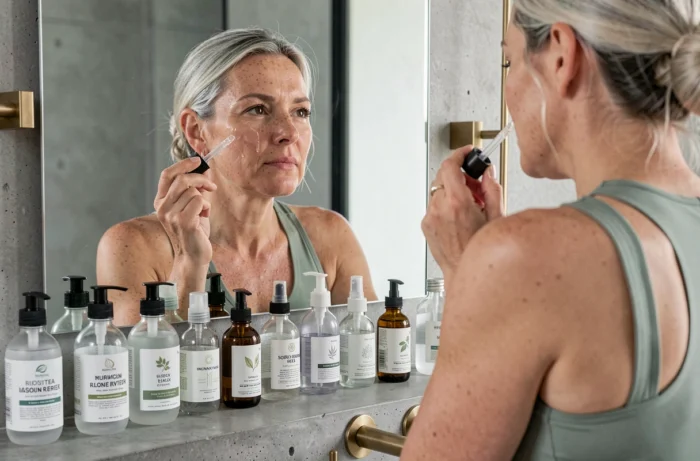
Sleep and natural light: the often-overlooked foundations of self-care
When it comes to habits that can genuinely improve your quality of life, sleep comes first. Not as vague advice (“get a good night’s sleep”), but as a practical tool whose mechanisms are worth understanding.
Why consistency matters more than duration
Going to bed and waking up at consistent times helps your body synchronize its sleep-wake cycle. A regular schedule supports your body better than an occasional lie-in. Shifting your wake-up time by two hours on the weekend can disrupt this balance as much as a small change in time zone.
Getting natural light during the day also plays a direct role. Spending a few minutes outside in the morning helps set your internal clock. In the evening, do the opposite: dim the lights and stop using screens at least an hour before bed to make it easier to fall asleep.
How sleep affects your skin and mood
Poor-quality sleep shows on your face: dull complexion, pronounced dark circles, tight-feeling skin. But the effects go further. Lack of sleep increases stress and reduces your ability to concentrate. No serum can make up for repeatedly getting too little sleep. Before investing in a new skincare product, checking the quality of your sleep is a more worthwhile first step.
Everyday beauty: read the labels before following trends
Cosmetics play a central role in skincare routines. Creams, serums, masks: there’s a wide range to choose from, and even more promises. A slightly critical look at the labels can protect both your skin and your wallet.
Cosmetic claims: what European regulations say
European regulations on cosmetic claims require every statement on packaging to be truthful and supported by evidence. Terms such as “moisturizing” or “hypoallergenic” are not just marketing buzzwords: they are claims that manufacturers must substantiate. Environmental claims (“natural,” “eco-friendly”) are also regulated.
In practice, this means that a product labeled “proven anti-wrinkle” must be able to provide data to support that claim. As a consumer, you have the right to ask for this evidence.
Skin reactions: don’t just switch products
Some common beauty treatments call for particular caution. Eyelash serums, hair coloring, straightening treatments: these are among the products and treatments that generate the most reports of adverse effects. If you experience an unusual reaction (persistent redness, itching, swelling), simply switching brands is not the right response.
- Stop using the product immediately and note its exact ingredients
- See a dermatologist or doctor to assess the reaction and rule out contact allergy
- Report the adverse effect to help monitor products on the market
Reporting an adverse effect also protects other users. It’s a simple, quick way to contribute to public health.

Care for your body and mind without pressure
Well-being should never become another chore. When your evening routine feels like a to-do list, it loses its purpose. The goal is to find habits you enjoy, not to tick boxes.
Choose two or three habits that really matter
Rather than piling on the steps (cleanser, toner, serum, cream, oil, eye cream, face mist), choosing two or three habits suited to your skin and lifestyle will deliver better results over time. A simple routine you stick to beats a complicated ritual you abandon after ten days.
The same principle applies to physical activity and relaxation. A daily 20-minute walk does more than a 90-minute yoga session once a month. The idea is not to do more, but to choose habits you can maintain over time.
- A facial skincare product suited to your skin type, morning or evening depending on your preference
- A gentle physical activity practiced regularly (walking, stretching, cycling)
- Some screen-free time before bed to help you prepare for sleep
Listen to your body, not the trends
Skin that feels tight after trying a new product, fatigue that persists despite rest, irritability that sets in: these signs deserve more attention than a magazine article. Genuine personal growth starts with listening to your own body, not copying a routine you saw online.
Taking care of yourself every day means accepting that some days, the bare minimum is enough. A glass of water, a decent night’s sleep, five minutes of peace and quiet. Anything else is a bonus.