A cat that refuses its new water fountain, another that develops urinary crystals after months of budget kibble: there is no shortage of concrete situations where a poor choice of equipment or food comes at a high price. Finding a site for cat enthusiasts that goes beyond a simple product catalog and truly addresses feline needs, from nutrition to health prevention, remains a challenging journey for many owners.
Feline Nutrition: Proteins, Kibble, and the Pitfalls of Opaque Ingredients
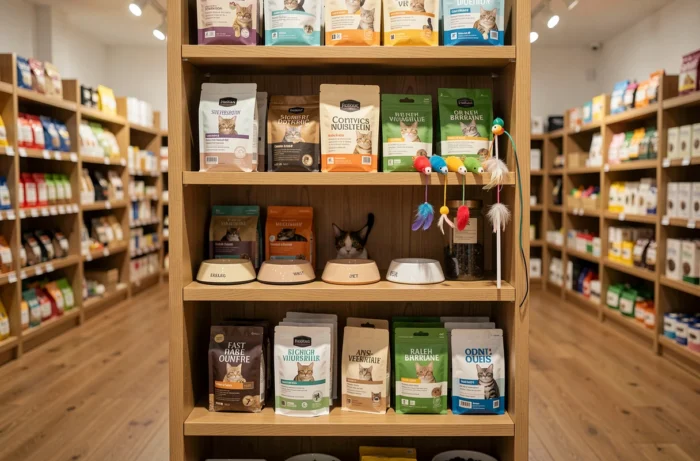
We often start in the kibble aisle, and this is where mistakes can be the most costly in the long run. A cat is a strict carnivore: its needs for animal proteins are significantly higher than those of a dog. Feedback varies on this point depending on the brands, but having a high percentage of animal protein listed first on the label remains the most reliable criterion.
The classic trap is the ingredient list that buries plant by-products among vague terms. There are sites that line up food comparisons without ever explaining how to analyze an analytical composition. When looking to learn everything about aplouf.com, one gains access to a more concrete analysis of what certain specialized platforms offer.
Beyond kibble, treats deserve equal attention. A cereal-based treat given daily can represent a significant portion of a house cat’s daily caloric intake. It’s better to opt for treats with a single identifiable animal ingredient (freeze-dried chicken, dried fish) rather than multicolored sticks.

Water Fountain and Cat Accessories: What Really Changes Daily
The water fountain is not a gadget. Cats naturally drink little, and insufficient hydration promotes urinary problems, especially in neutered males fed exclusively on kibble. The choice of material matters: stainless steel or ceramic is easier to clean than plastic, which accumulates a bacterial biofilm even after rinsing.
On the litter side, the market offers dozens of substrates (clumping, plant-based, silica, wood). We focus on two operational criteria:
- Grain size: a grain that is too fine sticks to the pads and spreads throughout the apartment, while a grain that is too large deters some cats used to fine sand since weaning.
- Dusting: cheap mineral litters release silica dust that irritates the cat’s (and our) respiratory tracts.
- Actual replacement frequency: some litters claim a lifespan of one month, but in practice, with two cats, we change the box every ten days to maintain an acceptable level of hygiene.
Cat trees and scratching posts also fall into the category of accessories not to be underestimated. A cat scratching the sofa expresses a territorial need, not a whim. Placing a vertical scratching post near the main resting area resolves most cases.
Identification and Sterilization of Cats: Two Often Overlooked Obligations
In France, the identification of cats born after January 1, 2012, is mandatory before the age of seven months. It is also required during any transfer and for traveling within the European Union. Since January 2024, the identification card is no longer sent by mail by I-CAD: it is accessible and downloadable from the owner’s online space.
Despite this regulation, a gap persists between the identification of stray cats and that of pet cats. According to data reported by Le Figaro, 72% of identifications of free cats are done in the name of an association and 19% in the name of a community, which shows that many owners do not take the initiative.
Sterilization is the other underutilized lever. The annual study by the SPA indicates that 71% of cats abandoned directly to associations are not sterilized. This figure is enough to understand the direct link between uncontrolled reproduction and the saturation of shelters.
Saturated Shelters and Abandoned Cats: The Weighty Figures in 2025
Cats accounted for 72% of the care provided by shelters in 2025, and abandonments were concentrated mainly in spring and summer.
This data sheds light on a structural problem. Adopting a cat without anticipating its real needs leads to abandonment within the first two years. Cat enthusiast sites that only discuss breeds and accessories miss this reality. A good feline site should help assess one’s capacity to welcome a cat before even discussing which cat tree to buy.
What a Comprehensive Feline Site Should Cover
A dedicated cat platform should address at least:
- Nutrition with a real analysis of compositions (proteins, ash content, fat sources), not just a simple ranking by score.
- Preventive health: vaccination schedule, urinary alert signs, weight monitoring according to age and breed.
- Regulatory aspects: mandatory identification, recommended sterilization, transport in the EU.
- Behavioral well-being: environmental enrichment, stress management in apartments, multi-cat cohabitation.
Sites that check these four boxes are few and far between. Most specialize in a niche (buying guides or breed sheets) without connecting the topics. A cat owner needs a coherent journey, not scattered information.
The pressure on shelters, the lack of awareness of legal obligations, and repeated dietary mistakes paint a picture where quality information is still lacking. Choosing sources with as much care as one chooses their cat’s kibble is probably the first reflex to adopt.