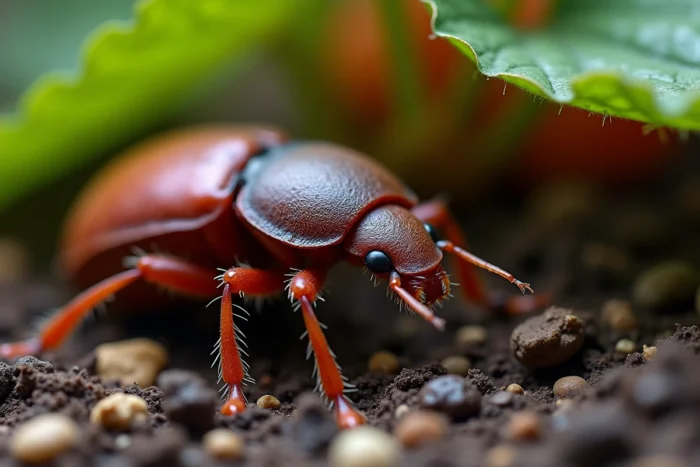
When you find strawberries nibbled at ground level or lettuce seedlings decimated overnight, the culprit is not always a slug. Pseudoophonus rufipes, a granivorous and omnivorous ground beetle that is active at night, attacks germinating seeds and fruits in contact with the soil. Identifying this reddish-brown beetle, about one centimeter long with orange legs, changes the way we approach the protection of the vegetable garden.
Pseudoophonus rufipes in the vegetable garden: recognize the damage before treating
It is often confused with beneficial beetles that consume slugs and aphids. The difference lies in its diet: pseudoophonus rufipes is largely granivorous. It targets carrot, beet, and lettuce seeds, and gnaws on the flesh of strawberries resting on the mulch.
The damage is visible in the morning. Small irregular cavities on the fruits, missing seeds, or seedlings cut at the base. Its activity is strictly nocturnal. During the day, it can be found under flat stones, boards laid on the ground, or in the first few centimeters of damp mulch.
To confirm its presence, a simple trap can be set: a wooden board or damp corrugated cardboard placed in the evening near the affected crops. The next morning, you lift it and identify.
If you spot several reddish-brown individuals with dull reflections (no shiny metallic shell like predatory beetles), you know what you’re dealing with. Finding solutions against pseudoophonus rufipes requires this identification step first; otherwise, you risk eliminating beneficial auxiliaries.
Physical barriers and nighttime traps against pseudoophonus rufipes
Since this beetle moves on the ground without flying (or very rarely), physical barriers remain the most reliable lever. We work on two fronts: preventing access to sensitive crops and reducing nearby refuge areas around the seedling beds.
Protecting seedlings and fruits at ground level
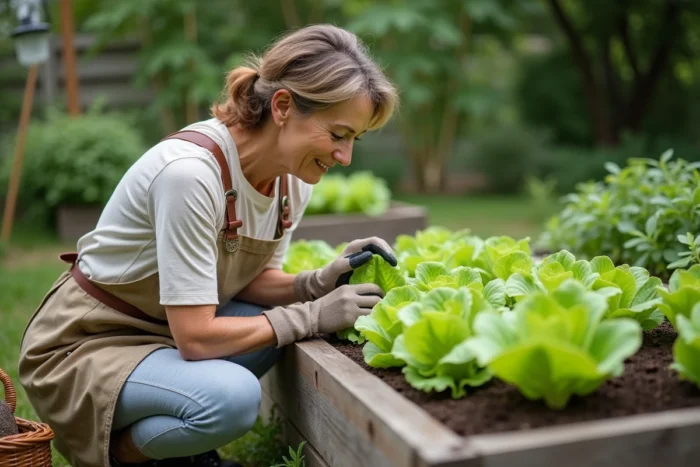
Copper or smooth plastic collars around strawberry plants limit the beetle’s progression. For seedlings in rows, a fabric laid on the ground and held down with staples prevents nighttime access to the seeds. The fabric is removed during the day to allow light to reach the seedlings.
Another approach is to elevate the strawberries with supports or well-aerated dry straw. Pseudoophonus rufipes seeks moisture in contact with the soil. A dry and aerated mulch reduces the attractiveness of the area for this pest, even if it does not eliminate it completely.
Interception traps
The pitfall trap works well against this species. A cup is buried at ground level, filled with a bit of beer or soapy water. Feedback varies on this point: some gardeners report significant captures, while others mainly trap other insects. Location is very important. Traps should be placed along the edges of beds, where the transition between grassy areas and cultivated zones creates a natural movement corridor.
- Buried cup at ground level, filled with beer or soapy water, checked each morning to sort captures and release beneficials
- Raw wooden trap boards placed in the evening between rows, lifted in the morning to manually collect individuals
- Copper strips or smooth adhesive tape around elevated vegetable beds, hindering the adhesion of the legs
Crop rotation and soil management to limit populations
Trapping methods are not enough if the soil remains favorable for reproduction. Pseudoophonus rufipes lays eggs in the top few centimeters of loose, moist soil, often under dense cover. Acting on soil structure and crop organization reduces pressure in the long term.
Crop rotation breaks the local reproduction cycle. If carrots have been sown in the same spot for two consecutive years and losses have been observed at emergence, moving this crop to another plot deprives the larvae of their usual food source at the critical time.
Shallow tilling of the soil at the end of summer exposes eggs and young larvae to predators (birds, rove beetles). A simple scratching of the top five centimeters after harvest disrupts the cycle without turning the soil deeply. This way, we preserve the beneficial fauna living deeper in the soil profile.
Natural auxiliaries and functional biodiversity in the garden
Rather than eliminating pseudoophonus rufipes at all costs, we can also rely on natural regulation. This beetle has predators: hedgehogs, shrews, certain nocturnal birds like the little owl, and even larger beetles.
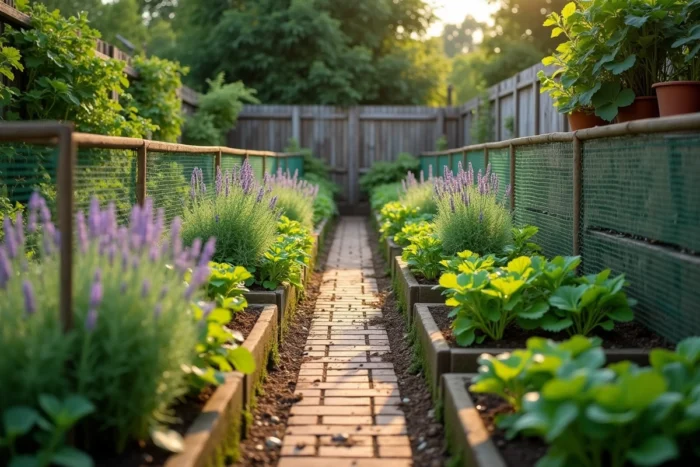
Encouraging low hedges and wood piles at the garden’s edge provides habitat for generalist predators. An active hedgehog in a garden consumes significant amounts of ground beetles each night. Installing a hedgehog passage in a fence (an opening of about ten centimeters at the bottom of the wire) can sometimes restore balance.
The regulatory context is pushing in this direction. Increasing restrictions on the use of synthetic pesticides near homes make these biological approaches not only desirable but sometimes mandatory. The documented loss of biodiversity in Europe, particularly among birds in agricultural environments, reminds us that every preserved auxiliary in the garden contributes to pest regulation.
- Hedgehogs: effective nocturnal predators against ground beetles, to be encouraged with shelters and passages in fences
- Rove beetles (Staphylinidae): predatory beetles of larvae naturally present in soils rich in organic matter
- Insectivorous birds: blackbirds, robins, and wrens search the litter and consume larvae and adults
A garden that accepts marginal loss on ground strawberries while maintaining a diverse population of auxiliaries remains more resilient than a chemically treated garden. Targeted trapping, rotation, and physical barriers form a coherent trio. The key remains regular observation, with a board in hand, to adjust actions to the actual pressure observed on each plot.