The autonomy of elderly individuals at home relies on a set of technical and human devices whose effectiveness depends less on their sophistication than on their acceptability. A solution that is rejected or poorly understood by the concerned individual has no effect, regardless of its level of innovation. It is on this often-overlooked criterion that the real maintenance of seniors at home hinges.
Acceptability of senior solutions: the filter that changes everything
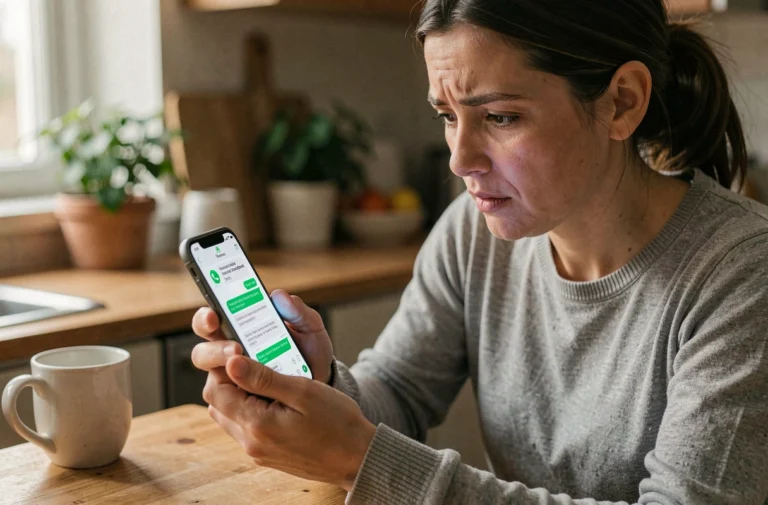
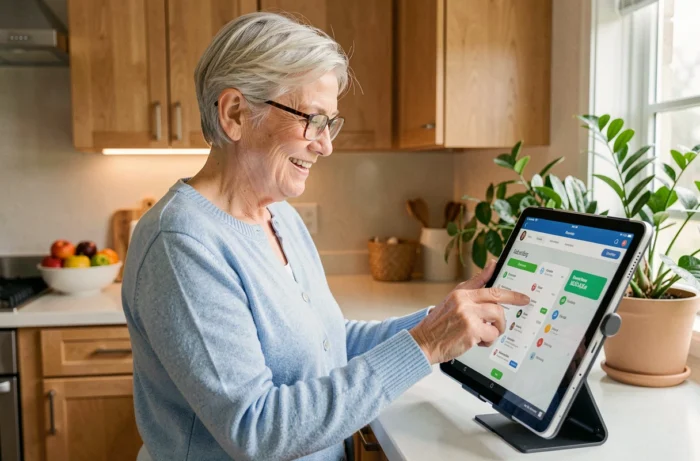
Most catalogs of technologies for seniors present lists of connected objects, sensors, or robots. The problem arises when the elderly person refuses to wear a bracelet, unplugs a detector deemed intrusive, or does not understand the interface of an application.
A solution not accepted by the senior is an unnecessary solution. This observation drives designers to rethink their devices along three axes: the physical discretion of the object, the simplicity of activation (ideally without manipulation), and respect for the privacy perceived by the user.
Recent offerings integrate more automatic fall detection and geolocation into less visible wearable devices, such as watches or pendants that resemble ordinary jewelry. This shift towards familiar forms significantly increases the adoption rate. Platforms like IDEOSENIOR help identify these solutions based on the profile and actual needs of the individual.
The refusal of assistance is not a whim. It often reflects a desire to preserve dignity and a sense of control. Any solution that ignores this dimension fails.
Passive monitoring at home: securing without surveillance
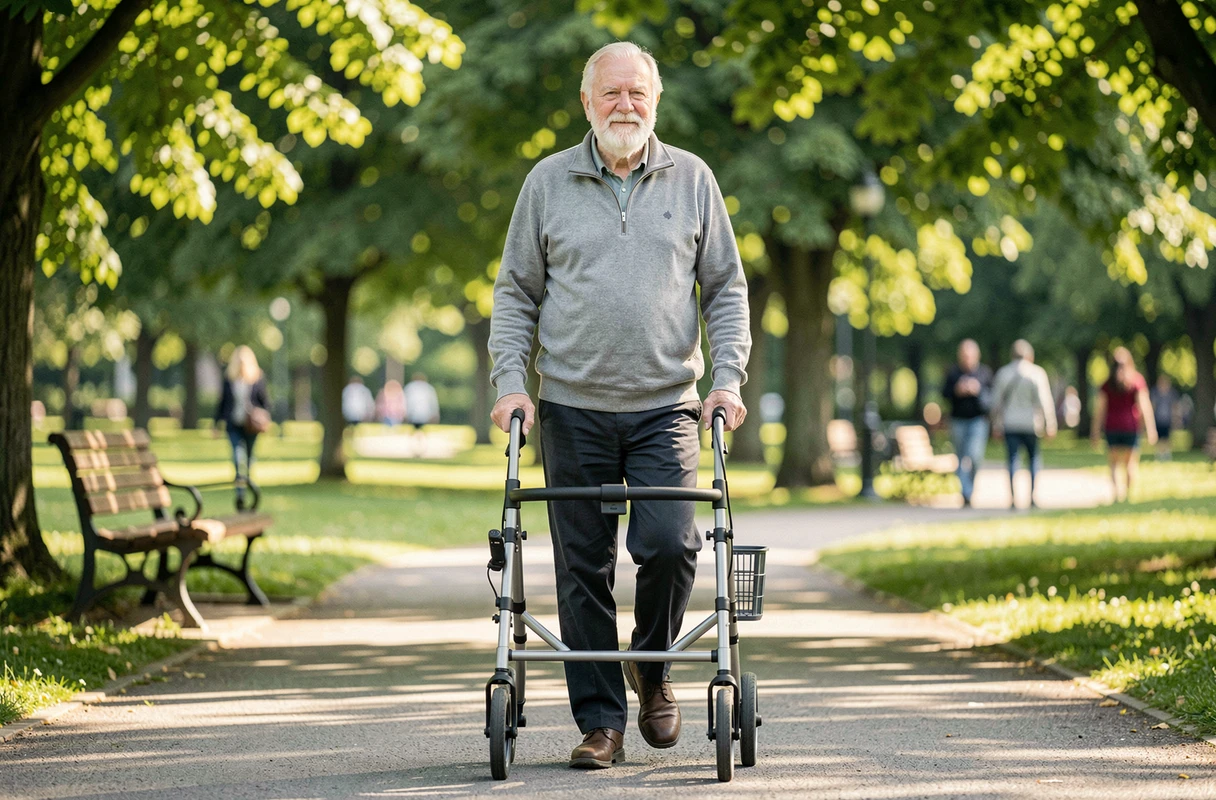
Passive monitoring refers to a set of sensors installed in the home that analyze living habits without resorting to cameras. These devices measure door openings, movements in certain rooms, electricity consumption, or faucet usage.
The main interest lies in the total absence of action required from the senior. The system learns the daily rhythm and triggers an alert only in the event of a significant anomaly: prolonged absence of movement, stove left on beyond an unusual duration, front door left open at night.
Kitchen and bathroom safety: the critical areas
Recent innovations specifically target the two rooms where most domestic accidents occur among the elderly. Systems for automatic shut-off of cooking plates activate after a period of inactivity or in case of detecting abnormal smoke. In the bathroom, pressure-sensitive mats detect a fall and alert a teleassistance center.
These devices operate without the person needing to activate them or even think about them. It is precisely this functional invisibility that makes them compatible with an explicit refusal of assistance.
Mobile teleassistance and coordination of caregivers
Teleassistance has long been associated with a pendant worn around the neck and a fixed box in the living room. This image remains a barrier for many seniors who associate the device with dependency. Current offerings have evolved significantly.
Teleassistance has shifted from a fixed object to a continuous and mobile service. Recent devices combine several functions into a single portable device:
- Automatic fall detection via accelerometer, without a button to press
- Outdoor geolocation for seniors who go out alone, with a customizable alert perimeter
- Dashboard accessible to family caregivers from their phones, with a history of alerts and activities
- Hands-free voice call to a listening center or a designated relative
This model shifts from an equipment logic to a continuous service logic. The physical device is just one link in a chain that includes human operators, a detection algorithm, and coordination with relatives.
The structuring role of caregivers in the system
A shared dashboard between family and professional caregivers changes the helping relationship. The caregiver no longer needs to call every day to check that everything is okay. They receive a notification only when an anomaly is detected.
This approach reduces the mental load on caregivers while preserving the autonomy perceived by the senior. The elderly person is not “monitored”: they live normally, and the system only intervenes in case of real need.
Public experimentation programs for healthy aging
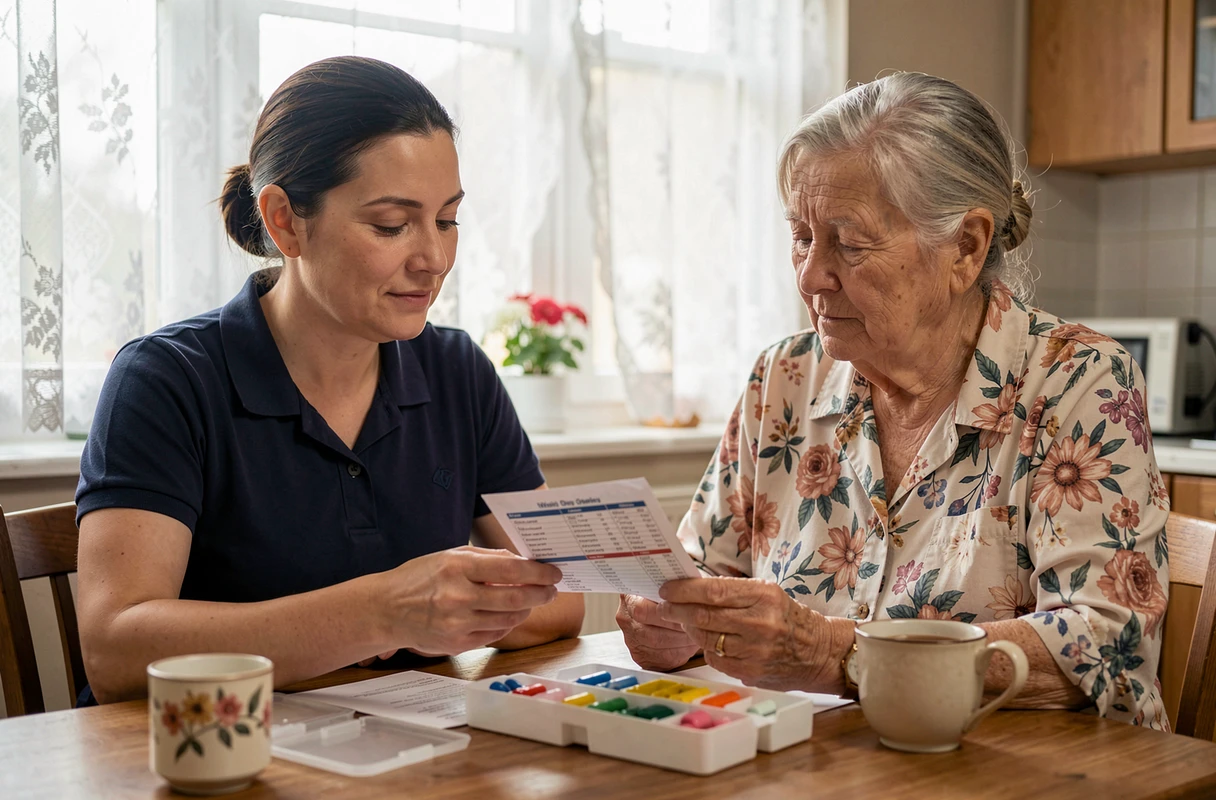
Beyond individual solutions, several programs structure innovation in supporting seniors at the territorial level. The “Bien vieillir connect” program deploys digital tools directly in facilities and at home, involving residents in the design of uses.
Initiatives like those led by the VIVA Lab industrialize field experimentation. Rather than developing a technology and then seeking users, these programs start from the daily difficulties of seniors to design appropriate responses. The process reverses the usual logic of innovation.
The Silver Valley awards recognize concrete solutions that reinvent the daily lives of elderly individuals each year. These distinctions highlight devices often unknown to the general public but already tested in real conditions.
Access to devices and funding
One of the major obstacles remains cost. Most teleassistance or passive monitoring solutions represent a monthly subscription, sometimes with an additional installation fee. Several public aids partially cover these expenses, particularly within the framework of the Personalized Autonomy Allowance, which can include technological equipment in the aid plan.
The real barrier is not always financial. The absence of a single point of contact to guide families complicates the process. Between departmental aids, pension funds, and mutual insurance, identifying the right combination of funding requires support that not all families have.
Supporting seniors in their daily autonomy progresses when solutions fade behind the uses. An invisible sensor that prevents a fall, a watch that alerts without the senior having to press a button, a dashboard that reassures a distant caregiver: these devices work because they respect the refusal of assistance while ensuring real safety.